On this page
You earn a steady salary, your family has never owned a home, and every flat you like seems just out of reach. You have heard the government helps first-time buyers under PMAY, but the rules you find online contradict each other, and half of them describe a scheme that ended years ago.
PMAY-Urban 2.0 is the current version, covering home loans sanctioned and disbursed on or after 1 September 2024. Here is what it offers, who qualifies, and how to apply, as of November 2026.
What PMAY-Urban 2.0 is
The Pradhan Mantri Awas Yojana-Urban 2.0 aims to help 1 crore urban families build, buy or rent a pucca (permanent, all-weather) home over five years. The Union Cabinet approved central assistance of ₹2.30 lakh crore for it. It has four parts, called verticals:
- Beneficiary-Led Construction (BLC): help for economically weaker section (EWS) families to build a house on land they own.
- Affordable Housing in Partnership (AHP): EWS homes built by government agencies or private builders, with assistance given to buyers.
- Affordable Rental Housing (ARH): rental homes for migrant workers, students and other urban poor.
- Interest Subsidy Scheme (ISS): a subsidy on home loans for EWS, low income group (LIG) and middle income group (MIG) families. This is the part most salaried buyers use.
BLC and AHP are run through your state government and city body. The rest of this guide focuses on the interest subsidy.
Who qualifies for the interest subsidy
Income groups
- EWS: annual household income up to ₹3 lakh
- LIG: above ₹3 lakh and up to ₹6 lakh
- MIG: above ₹6 lakh and up to ₹9 lakh
Income is declared through a self-certificate or affidavit. False declarations can lead to recovery of the subsidy and legal action.
Other conditions
- No pucca house: you and your family must not own a pucca house anywhere in India.
- No earlier housing benefit: you must not have been allotted a house under any central, state or local government housing scheme in the last 20 years.
- Ownership: the house should be in the name of the female head of the family or jointly with her. It can be in a man's name only if there is no adult woman in the family. Widowers, unmarried or separated people and transgender applicants can own it in their own name.
- Urban location: the house must be in a town or city covered by the scheme, with an approved layout or building plan.
- Residential use only: you will be asked to self-certify that you will live in it.
The limits that decide eligibility
- Home loan: up to ₹25 lakh
- Value of the house: up to ₹35 lakh
- Carpet area: up to 120 sq m, about 1,290 sq ft
- Loan tenure: more than five years
These limits are checked at the time your loan is sanctioned. If the loan is above ₹25 lakh or the house costs more than ₹35 lakh, you are not eligible at all, even partly. Some bank and website summaries quote other property-value figures, so confirm the current limit with your lender before booking.
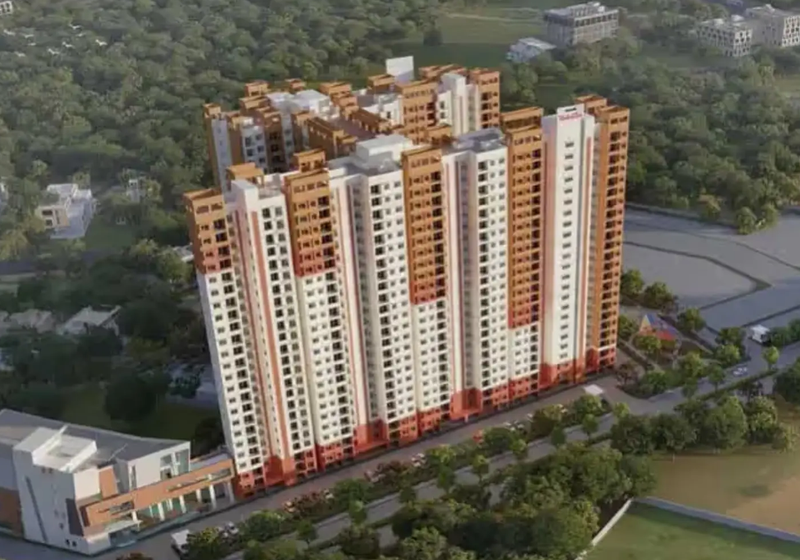
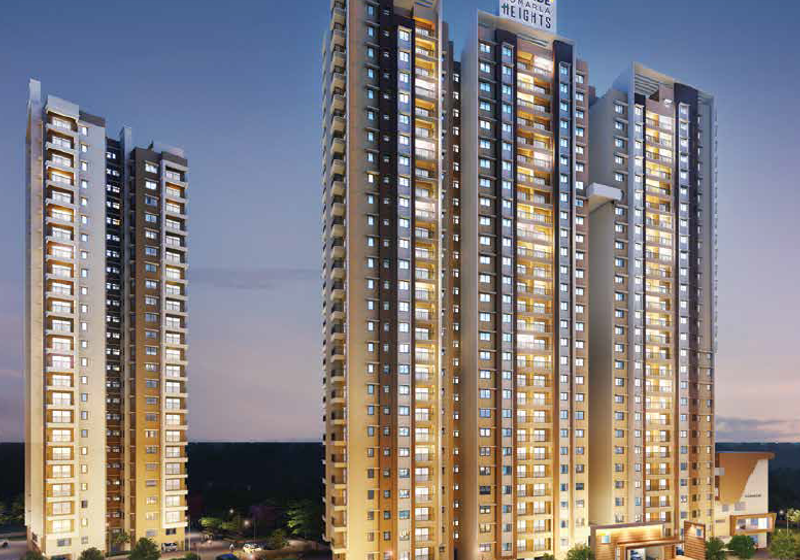
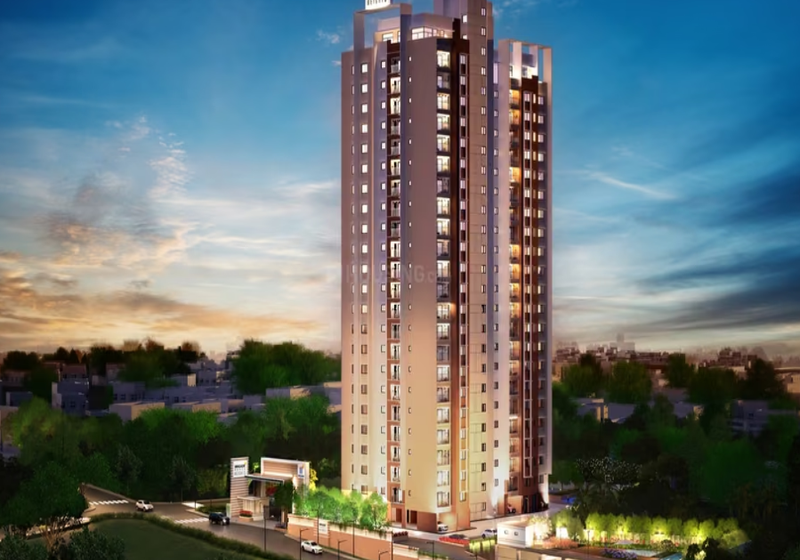
The ₹35 lakh cap matters most in big cities. In Bengaluru, most new flats inside the city cost more than this, so eligible homes tend to be compact units on the outskirts, in development-authority projects or in smaller Karnataka towns.
How much help you actually get
The subsidy is 4% interest on the first ₹8 lakh of your loan, worked out over up to 12 years. The maximum released is ₹1.80 lakh, paid in five yearly instalments. Each instalment is credited to your loan account and reduces your outstanding principal.
Worked example: a family earning ₹7 lakh a year (MIG) buys a ₹32 lakh flat on the edge of a city with a ₹25 lakh loan over 20 years. They qualify for the full benefit, so up to ₹1.80 lakh comes off their principal over five years. Once all instalments are in, their outstanding loan is ₹1.80 lakh lower than it would otherwise be, which cuts interest and can shorten the loan.
To receive each instalment, your loan must still be running and more than half the principal must be outstanding. The house must also be geo-tagged on the scheme portal at set stages, and for under-construction homes, construction progress is updated each year.
A quick eligibility check
Picture a couple in Mysuru earning ₹8.5 lakh a year between them, renting, with no house in either family's name. They like a ₹38 lakh flat and plan a ₹30 lakh loan. They fail on two counts: the house value is above ₹35 lakh and the loan is above ₹25 lakh. If they pick a ₹34 lakh flat instead and borrow ₹25 lakh, with the wife as owner or joint owner, they qualify for the full ₹1.80 lakh. Small changes in budget can decide eligibility, so check the limits before you book.
How to apply
- Check the basics: income band, no pucca house, ownership in a woman's name or joint name, and a house within the loan, value and area limits.
- Register on the official portal, pmaymis.gov.in, and choose the option to apply for PMAY-U 2.0. You can also apply through a Common Service Centre or your city's urban local body.
- Verify with Aadhaar for yourself and your family members, and fill in your income, family and address details.
- Choose the Interest Subsidy Scheme and select your bank or housing finance company. Your application goes to that lender, called a Primary Lending Institution.
- Apply for the home loan with the same lender and submit the documents below.
- Track the status on the portal. Once the lender confirms eligibility and the loan is disbursed, instalments are released over the following years.
Documents to keep ready
- Aadhaar (or Aadhaar Virtual ID) for the applicant and all family members
- Family details: names, dates of birth, relationships and occupations
- Income self-certificate or affidavit
- Undertaking that no family member owns a pucca house in India
- Approved layout or building plan of the property
- Usual home loan papers: PAN, address proof, salary slips or ITRs, bank statements, sale agreement and property documents, photographs
Common mistakes to avoid
- Following old rules: the earlier CLSS scheme, which offered up to about ₹2.67 lakh, has ended. Ignore any site quoting those figures.
- Registering only in the husband's name when there is an adult woman in the family.
- Selling too soon: there is a five-year lock-in from the first instalment, during which the house cannot be sold or transferred.
- Switching lenders early: if you move your loan before claiming the subsidy through your first lender, you do not become eligible through the new one.
Frequently asked questions
Can I claim PMAY-Urban 2.0 if I already got the old CLSS subsidy?
No. If you received a government housing benefit in the last 20 years, or your family owns a pucca house, you are not eligible.
Does a resale flat qualify?
Yes, purchase and repurchase are covered, as long as the limits are met and no earlier owner has already claimed the subsidy on that property.
Is the subsidy paid to me in cash?
No. It is credited to your home loan account in five yearly instalments and reduces your outstanding principal.
Can I still get tax benefits on the loan?
Generally yes, on the interest and principal you actually pay. Ask a CA how the rules under the new Income Tax Act apply to your case.
If you are looking for a home that fits the PMAY limits around Bengaluru, Skyros Estates can help you shortlist RERA-registered options and check the documents before you apply.
Buying a home?
Get a shortlist that fits your budget, site visits arranged, and the papers checked before you pay. Free for buyers.