On this page
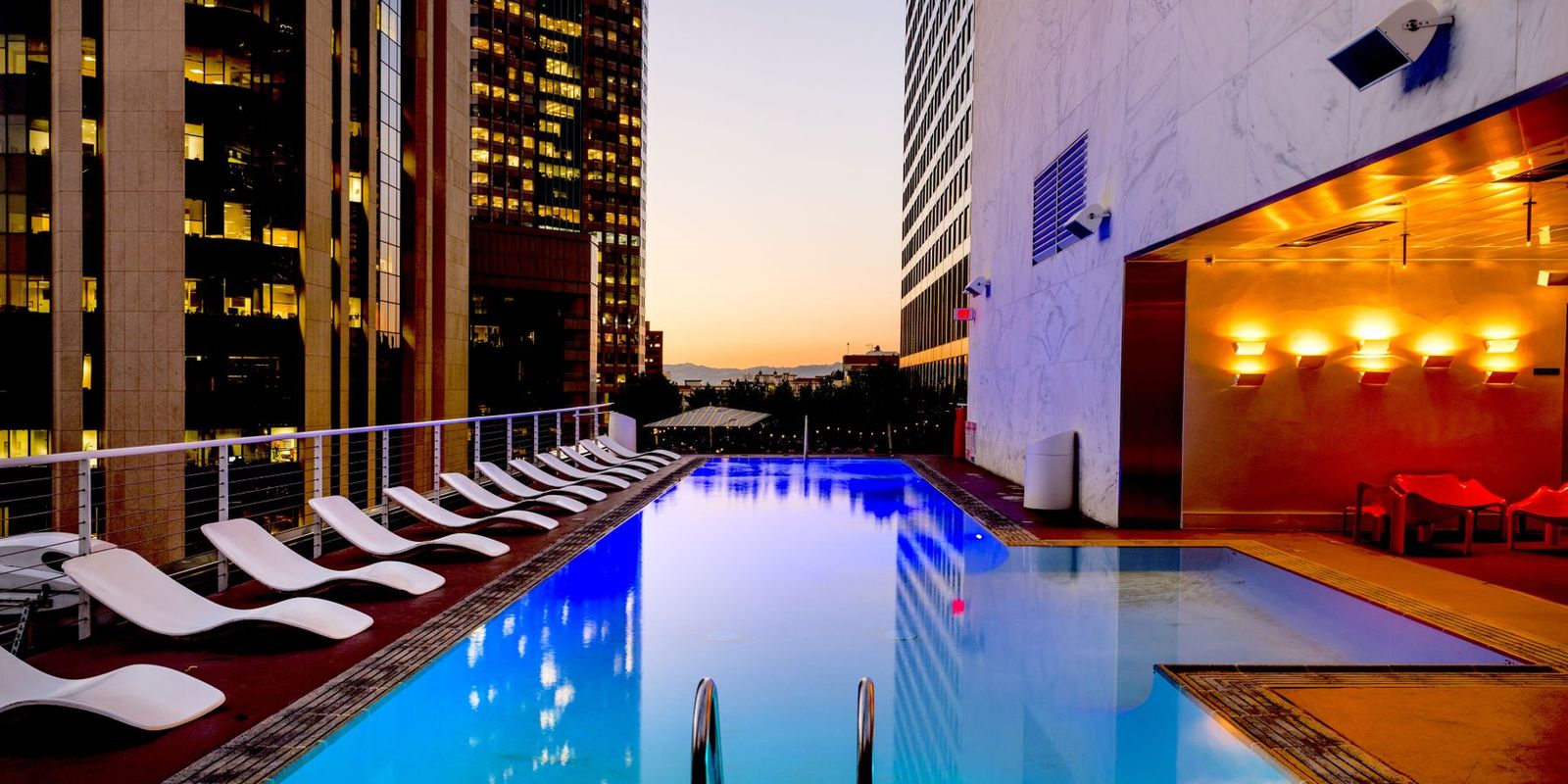
The brochure has a page just for amenities. A rooftop infinity pool, a 40,000 sq ft clubhouse, a cricket net, a co-working lounge, a pet park. The sales team walks you through each one, and by the end the flat feels like a resort with bedrooms attached.
Then you live there. Five years later you use the lift, the power backup and the security gate every single day, the gym twice a week, and the pool maybe four times a year. You still pay for all of it, every month, through your maintenance bill. This guide is about telling the two groups apart before you sign.
How amenities actually reach your wallet
Amenities cost you in three ways, and only the first one shows up clearly on the price sheet.
- Upfront: some builders charge a separate clubhouse or amenities fee, often a few lakh rupees. Others fold it into the per sq ft rate.
- Monthly maintenance: staff, electricity, water, chemicals, annual maintenance contracts and repairs for every amenity are shared by all owners, usually per sq ft of super built-up area.
- Replacement later: lifts, generators, pool pumps and STP equipment wear out. When they do, owners pay through the sinking fund or a special levy.
A quick worked example. Take a 1,200 sq ft (super built-up) flat. At ₹5 per sq ft maintenance you pay ₹6,000 a month. At ₹8 per sq ft you pay ₹9,600. That gap of ₹3,600 a month is ₹43,200 a year, or over ₹4 lakh across ten years, before any increase. Rates vary widely by project and city, so ask for the current figure and the last two years of the association's accounts.
The rule that matters most: cost per family
A swimming pool costs roughly the same to run whether 80 families share it or 800. Filtration, chemicals, a lifeguard, cleaning and electricity are largely fixed. Split across 800 flats it is a small line on your bill. Split across 80, it is one of the biggest.
So before you judge an amenity list, look at the number of units. A large township can carry a full clubhouse comfortably. A boutique project of 60 to 120 flats with the same list will either charge high maintenance or quietly let things fall apart.
Worth paying for: the everyday essentials
Power backup, the right kind
Power cuts still happen in most Indian cities, including Bengaluru during storms and summer peaks. Backup for lifts, water pumps, corridor lights and security is non-negotiable. The real question is how much backup each flat gets.
- Common areas only: cheapest to run, but your home goes dark in a cut.
- Partial backup (say 1 to 3 kW per flat): enough for lights, fans, Wi-Fi and the fridge. A sensible middle ground.
- 100% backup: convenient, but diesel generator power usually costs several times the grid rate per unit, and the generator, fuel and servicing all sit in maintenance.
Ask how DG units are billed (a separate meter per flat is fairer than a flat charge), what the per-unit DG rate was last year, and whether common areas use solar panels to cut the electricity bill.
A working sewage treatment plant (STP)
In Karnataka, mid-size and large apartment complexes are required to treat their own sewage, and the treated water is usually reused for flushing and gardening. An STP is not optional, so the question is whether it is sized and run properly. A neglected STP means bad smells, fines and tanker bills for water you could have recycled.
- Ask the STP's capacity and how many units it was designed for.
- Ask whether treated water is piped back for flushing (dual plumbing) or just released.
- In a resale, ask who operates it, the monthly cost, and whether the association has had any notices from the pollution control board.
Security that is actually staffed
Gated entry, CCTV and a visitor management app are worth paying for, especially for families and for owners who rent the flat out. But security is mostly people, and people cost money. Ask how many guards work per shift, whether cameras are recorded and kept for a set number of days, and whether the visitor app comes with an annual subscription the association pays.
EV charging, planned rather than promised
Even if you do not own an electric car today, the next buyer of your flat may. A building that has planned for charging will be easier to sell in 2030. The details matter more than the brochure line.
- Is there a conduit and space for a charger at your parking slot, or only a few shared chargers in a corner?
- Will your charger draw power through your own flat's meter, a separate EV connection from the electricity company, or a common meter the association bills back?
- Has the building's electrical load been sized for many cars charging overnight?
Lifts, water and rainwater harvesting
These are not glamorous, but they shape daily life. Check the number of lifts per tower (one lift for a 20-floor tower is a problem), whether there is a service lift, where water comes from (municipal supply, borewells or tankers), and whether rainwater harvesting recharges the borewells. A project that buys tanker water every summer passes that cost straight to you.
Pay attention before paying for: the lifestyle extras
Swimming pool
A pool is lovely if you or your children will swim. It is also one of the most expensive amenities to run and repair. In a smaller project, ask whether the pool is open all year, whether a lifeguard is on duty, and what the last pump or tile repair cost. A green, closed pool is a common sight in buildings that could not afford it.
Large clubhouse
A clubhouse with a gym, a multipurpose hall and a small indoor games room gets used. A 40,000 sq ft clubhouse with a mini theatre, squash courts, a spa and a banquet hall needs staff, air conditioning and cleaning whether anyone uses it or not. Ask if non-residents can book the hall (that income helps) and whether the clubhouse electricity is on a separate meter.
Novelty amenities
Skating rinks, amphitheatres, meditation pods, rock-climbing walls and 'sky decks' look great in walkthrough videos. They tend to see little use after the first year. They are not a reason to reject a project, but they should not be a reason to pay a premium either.
A quick comparison
- Power backup, STP, security, lifts, water: used daily, protect resale value. Pay for these properly.
- Gym, kids' play area, walking track, small hall: used often, modest running costs. Good value.
- Pool, large clubhouse: worth it in big projects where costs are shared widely, or if your family will use them. Expensive in small ones.
- Theatres, spas, novelty features: nice extras with high running costs. Do not pay much extra for them.
Questions to ask before you sign
- What is the maintenance per sq ft, and what does it include? Is DG power billed separately?
- How many units share these amenities?
- Is there a separate clubhouse or amenities fee, and is it refundable or transferable on resale?
- Who runs maintenance for the first year: the builder or a facility management company? What happens when the association takes over?
- How large is the corpus or sinking fund, and who holds it?
- For a resale: can I see the association's last two years of accounts and minutes?
Frequently asked questions
Should I pick a project with fewer amenities to keep maintenance low?
Not automatically. A large project with many amenities can have lower maintenance per flat than a small one with a few, because costs are spread wider. Compare the per sq ft maintenance and the unit count, not the length of the amenity list.
Do amenities increase resale value?
Well-kept essentials do: reliable backup, a working STP, good security and enough lifts. A neglected pool or empty clubhouse can actually put buyers off, because it signals high charges and weak management.
Is the clubhouse fee negotiable?
Sometimes. Builders often have more room on add-on charges like clubhouse membership, car parking or legal fees than on the base rate. It is worth asking, especially late in a project's sales cycle.
How do I know if maintenance will rise after handover?
Ask whether the first year's maintenance is subsidised by the builder. If it is, expect a jump when the association takes over. Visiting an older project by the same builder and asking its residents what they pay is the most honest check you can do.
If you are comparing projects and want a second opinion on what the amenities will really cost to live with, Skyros Estates can help you shortlist RERA-verified homes and read the maintenance numbers before you commit.
Buying a home?
Get a shortlist that fits your budget, site visits arranged, and the papers checked before you pay. Free for buyers.