On this page
The interiors are done, the keys are with you, and the broker has one question: "Furnished or unfurnished?" He says furnished flats rent faster and for more. A friend says tenants wreck sofas and you will be replacing a fridge every three years. Both are telling the truth, which is why the answer depends on the numbers for your flat.
This guide compares the three ways to let a home in India, what each costs to set up, what it can earn, which tenants each attracts, and how wear and tear changes the maths over five to ten years.
What the three labels usually mean
There is no legal definition, so always attach a written list to the rental agreement. In most Indian cities, the terms are used like this:
- Unfurnished (bare shell): lights, fans, basic bathroom fittings. Sometimes not even a kitchen counter. Tenants bring everything.
- Semi-furnished: wardrobes in bedrooms, a modular kitchen with chimney and hob, geysers, lights and fans, sometimes curtain rods and a few ACs. No loose furniture.
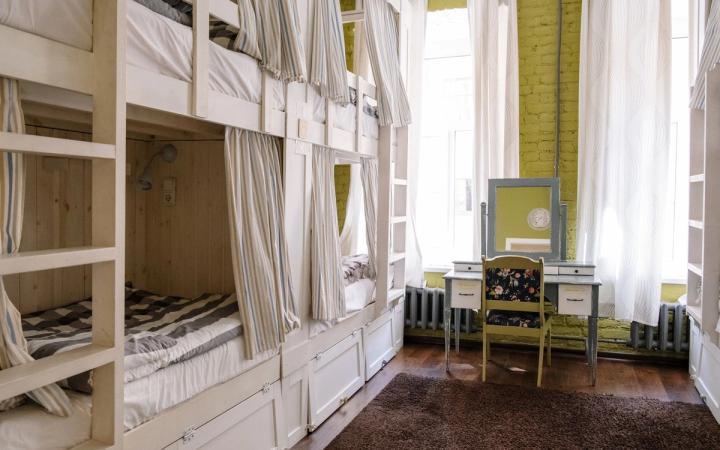
- Fully furnished: everything in semi-furnished plus beds and mattresses, sofa, dining table, TV unit, fridge, washing machine, ACs in most rooms, sometimes a microwave, TV and utensils. The tenant can move in with a suitcase.
What each costs to set up
Costs vary widely with city, flat size and quality. The figures below are illustrative for a 2BHK in Bengaluru, as of November 2026, using mid-range brands.
- Semi-furnished: roughly ₹2.5 lakh to ₹4 lakh for wardrobes, a modular kitchen, geysers and lighting.
- Fully furnished: a further ₹4 lakh to ₹6 lakh on top for beds, mattresses, sofa, dining set, fridge, washing machine and two or three ACs.
The key difference is how long each item lasts. Wardrobes and a kitchen, if built well, last ten to fifteen years and stay with the flat when you sell. Mattresses, sofas and appliances under tenant use often need replacing in five to seven years, and add almost nothing to resale value.
The rent premium, and what is left of it
Here is a simple comparison for the same 2BHK. The rents are illustrative; check actual listings in your building or lane, because the premium changes sharply from one area to the next.
- Unfurnished: ₹32,000 a month
- Semi-furnished: ₹35,000 a month (₹3,000 more)
- Fully furnished: ₹42,000 a month (₹10,000 more than unfurnished, ₹7,000 more than semi)
Semi-furnished vs unfurnished
You spend about ₹3 lakh and earn ₹36,000 a year more. If the kitchen and wardrobes last twelve years, that is about ₹25,000 a year of wear, so you come out roughly ₹11,000 a year ahead, before counting two bigger benefits: the flat rents out faster, and the fittings help when you sell. Most landlords should at least go semi-furnished.
Fully furnished vs semi-furnished
You spend another ₹5 lakh and earn ₹84,000 a year more. Now take off the costs:
- Replacing the furniture and appliances over six years: about ₹83,000 a year
- Extra repairs and AC or appliance servicing: say ₹10,000 to ₹15,000 a year
- Lost interest on ₹5 lakh that could have sat in a fixed deposit
On paper, the extra ₹84,000 is almost fully used up. Full furnishing pays only if it does one of three things: lets you charge a bigger premium than this, cuts your empty months noticeably, or reaches a tenant segment that pays more and stays longer, such as company-leased flats for relocating staff. In many buildings it does, and in many it does not.
Who rents what
The furnishing choice also decides who knocks on your door.
- Families usually own their furniture and want space for it. They often prefer semi-furnished or unfurnished, stay longer (three years or more is common), and treat the home well. Fewer move-outs means fewer empty months and less broker fee.
- Young professionals and couples on one- or two-year stints in a city often want fully furnished. They pay more, but tend to move more often.
- Sharers and bachelors usually want furnished flats close to offices. The rent can be higher in total, but wear is heavier and some societies restrict such lettings.
- Company leases for staff on transfer often ask for fully furnished flats and pay reliably, with clear exit clauses. Turnover can be high when projects end.
A good rule: in family-heavy suburbs with schools nearby, semi-furnished usually wins. Close to tech parks and metro stations, where short stays and relocations are common, full furnishing has a better chance of earning its keep.
Wear and tear: what is fair to charge the tenant
Some damage is just time. Faded paint, a sagging mattress, minor scratches on wardrobes and an AC that needs regassing after three summers are normal wear and tear, and a fair landlord absorbs them. Broken glass, burns on a sofa, a dented fridge door or a missing remote are damage, and can reasonably come out of the deposit.
Disputes over the deposit are the most common landlord-tenant fight, especially for furnished flats. You can avoid most of them with a little paperwork.
- Make an inventory list with brand, model and condition of every item, signed by both of you and attached to the agreement.
- Take dated photos and a short video of every room on move-in day and share them with the tenant.
- Write down who pays for what: for example, the tenant pays for routine AC servicing and small repairs under ₹1,000, and you pay for anything bigger or for replacing worn-out appliances.
- Keep appliance warranties and bills in one folder, and register them in your name.
- At move-out, walk through the inventory together before you settle the deposit.
Tax: furniture rent is not always house property income
Rent for the flat itself is taxed as income from house property, with the 30% standard deduction. If you charge a separate amount for furniture and appliances, that part may be taxed as income from other sources instead, without the 30% deduction, though depreciation on the furniture may be claimed. Where the flat and furniture are let together for one inseparable rent, the treatment depends on the facts.
Most landlords simply quote one rent for a furnished flat. If you split it, or your furnishing spend is large, ask a CA how to show it in your return.
Frequently asked questions
Does furnishing help a flat rent out faster?
Usually yes, especially near offices where tenants are relocating. A move-in-ready flat can cut the empty period between tenants, and each month saved is a full month's rent.
Should I buy new or second-hand furniture for a rental?
Sturdy, mid-range new items with a warranty usually work out cheaper over five years than second-hand pieces that need early repair. Avoid fragile or premium pieces; tenants rarely value them enough to pay more.
Can I convert a furnished flat to unfurnished later?
Yes, between tenants. Selling used furniture recovers only a small part of the cost, so decide early if you can.
Is semi-furnished worth it if I plan to sell in three years?
Often, yes. A clean modular kitchen and wardrobes make a flat easier to sell, and buyers in India expect them in most mid-range homes.
If you are buying a flat to rent out, Skyros Estates can help you shortlist RERA-verified homes in areas where tenant demand matches the way you plan to let it.
Buying a home?
Get a shortlist that fits your budget, site visits arranged, and the papers checked before you pay. Free for buyers.