On this page
You own a plot near a tech park, or an old house in a busy part of town, and a co-living company has offered to lease the whole building for nine years at a fixed monthly rent. Or a developer is pitching "managed student housing" units with an assured return. Either way, the numbers look better than renting out a family flat. The question is whether they hold up.
Co-living and student housing have grown fast in India, driven by young people moving to cities for work and study. This guide explains how the model works, what yields are realistic, who the operators are and what can go wrong.
What co-living and student housing are
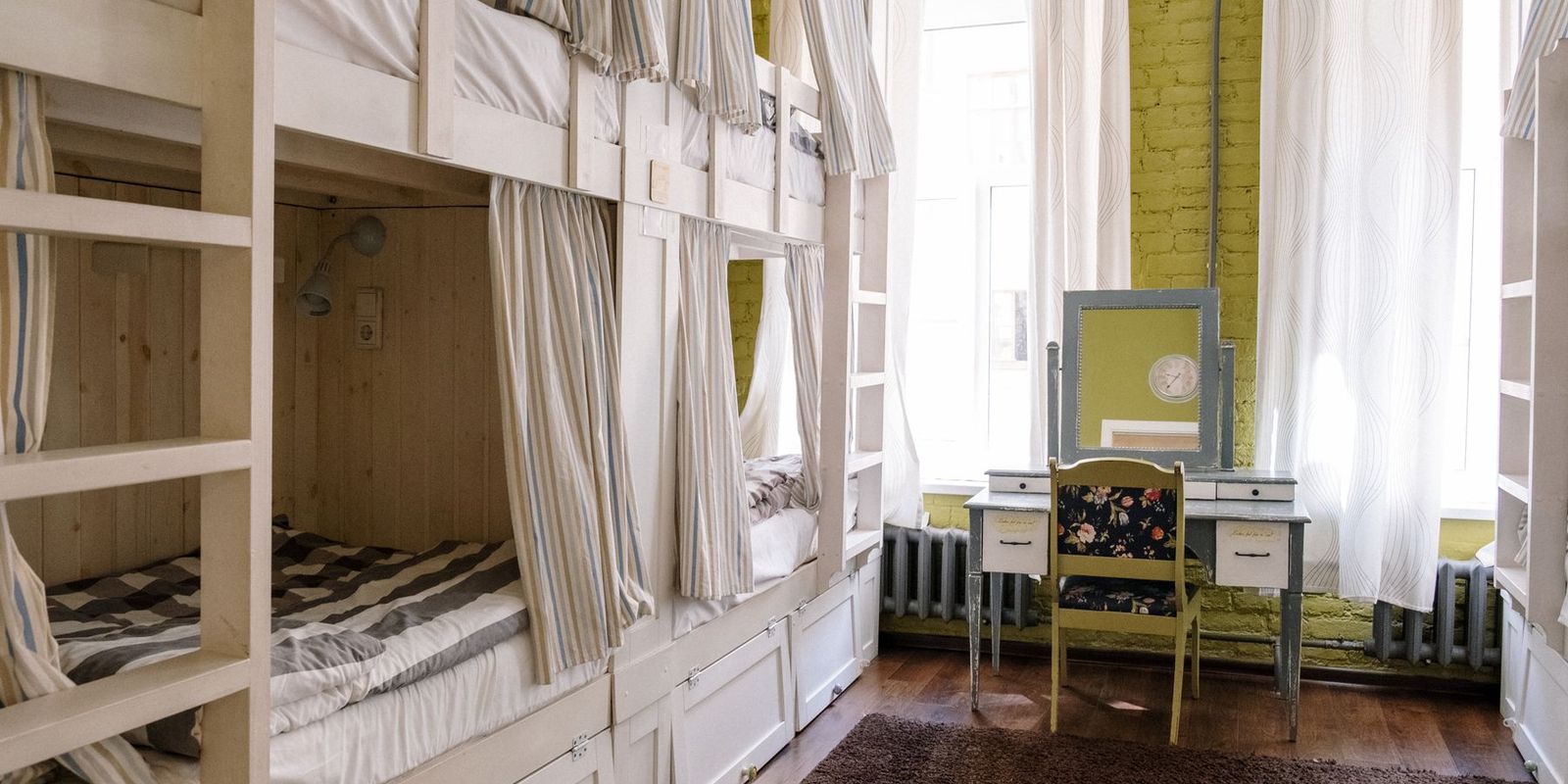
Co-living is furnished, shared or single rooms rented by the bed or room, usually to working professionals aged 20 to 35. Rent typically includes Wi-Fi, housekeeping, maintenance and sometimes food. Stays are often 6 to 12 months.
Student housing is the same idea built around colleges and coaching hubs: beds near campus with meals, security and study space. Purpose-built student accommodation is the organised end of a market long served by PGs and hostels.
Both are run by an operator who handles marketing, tenants, maintenance and collections. Well-known branded operators include Stanza Living, Zolo, Colive, Housr and Settl, alongside thousands of local PG owners.
Why investors are interested
- Demand is large. Colliers estimated organised co-living demand at about 6.6 million beds in 2025 against supply of about 0.3 million, and expects supply to reach around 1 million beds by 2030.
- The tenant base is big. Colliers puts the core group of migrants aged 20 to 34 at around 5 crore people.
- Rent per square foot is higher. Renting by the bed earns more than renting a whole flat. Colliers found single-occupancy co-living rooms commanding up to 35% more than a comparable 1BHK.
- Yields are higher. An Anarock and CII report put yields on co-living, co-working and student housing at 7% to 11%, against about 3% for regular residential.
These figures come from industry reports and use different definitions, so treat them as a range rather than a forecast for any one building.
How you can invest
1. Lease your building to an operator
You own the building; the operator takes it on a long lease, furnishes and runs it, and pays you a fixed monthly rent. Leases are commonly 7 to 10 years with a lock-in for the first few years and a rent increase every year or every three years. This is the most common route for individual owners.
2. Revenue share or management contract
The operator runs the property for a share of the revenue, or a fee. You earn more when occupancy is high and less when it is not. Higher potential return, more risk.
3. Run it yourself as a PG
You handle everything: tenants, food, cleaning, staff, licences and complaints. The margins can be good, but it is a full-time business, not a passive investment.
4. Buy a unit in a managed project
Some developers sell individual studio units in a building run by a single operator, often with an assured rent for a few years. Read the fine print on what happens after the assured period ends and who pays if the operator leaves.
A worked example
Say you own a newly built 20-room, 40-bed building near a Bengaluru tech corridor, worth ₹6 crore including land. These figures are illustrative, as of November 2026.
- Option A, lease to an operator: ₹4.2 lakh a month fixed rent gives ₹50.4 lakh a year, a gross yield of 8.4%. The operator bears furnishing, staff and vacancy. You still pay property tax and major structural repairs.
- Option B, run it yourself: 40 beds at ₹14,000 a month with 90% occupancy brings in about ₹60.5 lakh a year. After staff, food, utilities, repairs and marketing (easily 40% of revenue), you keep around ₹36 lakh, about 6%, and you did all the work.
Compare both with letting the same money sit in two or three regular flats earning 2.5% to 3% net. The higher yield is real, but it comes with operator risk, regulatory work and a building that is harder to sell to an ordinary family buyer.
Rules and costs to know
GST
Since 15 July 2024, accommodation priced up to ₹20,000 per person per month is exempt from GST, provided the stay is at least 90 days continuously. Above that price, or for shorter stays, GST generally applies at 12%. This matters for pricing; check how food and other services are billed with a CA.
Local licences and safety rules
Most cities require a trade licence for PGs and hostels, fire safety compliance and police verification of residents. In Bengaluru, after a 2024 incident, the civic body issued PG norms covering CCTV at entry and exit points, around 70 sq ft per resident, 135 litres of water per person per day, hygienic toilets and an FSSAI licence where food is served. The Karnataka High Court has since issued its own safety directions for PGs. Some older buildings cannot meet these without changes.
Zoning and approvals
A building approved as a residential house may not be allowed to run as a commercial PG or hostel in every zone. Check the approved plan and local rules before you sign a lease, as the operator will expect you to deliver a compliant building.
Income tax
Fixed rent from a lease is usually taxed as house property income, with the 30% standard deduction. Running the PG yourself with food and services is often treated as business income. The Income Tax Act, 2025 replaced the 1961 Act from April 2026, so ask a CA which applies to you.
Risks to check
- Operator strength. Some co-living brands shut down or handed back buildings during the pandemic. Ask for audited accounts, how many beds they run and references from current landlords.
- Lock-in and exit clauses. A nine-year lease with only a one-year lock-in means the operator can leave after a year. Push for a longer lock-in and a meaningful security deposit.
- Location. Demand depends on being close to offices, colleges or metro stations. A shift in office policy or a campus moving can hurt occupancy.
- Wear and tear. Rooms with 30 to 40 residents age quickly. Agree in writing who pays to repaint, repair and replace fixtures.
- Resale. A building laid out as a PG has a smaller pool of buyers than a family home.
- Assured-return schemes. An assured return is only as good as the company paying it. Read what happens at the end of the assured period.
Industry reports also note that larger investors remain cautious because of operating complexity and a fragmented market. That caution is worth sharing.
Frequently asked questions
What yield can I realistically expect from co-living?
Industry reports quote 7% to 11% gross for the segment. For an individual building leased to an operator, 6% to 9% gross is a more common range, depending on city, location and lease terms.
Is student housing safer than co-living?
Demand near established colleges is steady, but income is seasonal and tied to the academic year. Co-living depends more on office hiring. Neither is risk-free.
Can I convert my existing flat into co-living?
Many apartment associations restrict PG use in their bye-laws, and some cities require licences. Check with your association and civic body first.
Do I need a big building to start?
Operators usually prefer buildings with at least 15 to 20 rooms. Smaller properties are more likely to be run as a self-managed PG.
This is general information, not investment or tax advice. If you are weighing a building near a tech corridor or campus, Skyros Estates can help you check approvals, compare it with regular rental options and review the lease before you sign.
Buying a home?
Get a shortlist that fits your budget, site visits arranged, and the papers checked before you pay. Free for buyers.