On this page
The possession date in your agreement came and went. The builder's office says "six more months", the same thing it said a year ago. Meanwhile you are paying rent on one home and EMIs on another that has no doors yet.
You are far from alone. A Deccan Herald report this week, based on Karnataka RERA data, found homebuyers in 3,145 projects across the state waiting for homes that missed their completion deadlines. Of the 10,621 projects registered with K-RERA since 2017, nearly 30% have stayed incomplete for years. Some of the stalled projects belong to public bodies such as the Bangalore Development Authority and the Karnataka Slum Development Board, not just private builders. The rules below come from the central RERA Act, so they apply in every state, with Karnataka details where they matter.
First, work out what kind of delay you are facing
Not every delay is the same, and the right move depends on which one you have.
- Slow but moving: Work is visibly happening, floors are going up, the builder is filing quarterly updates on the RERA portal. Usually you stay, claim interest for the delay, and keep pressure on.
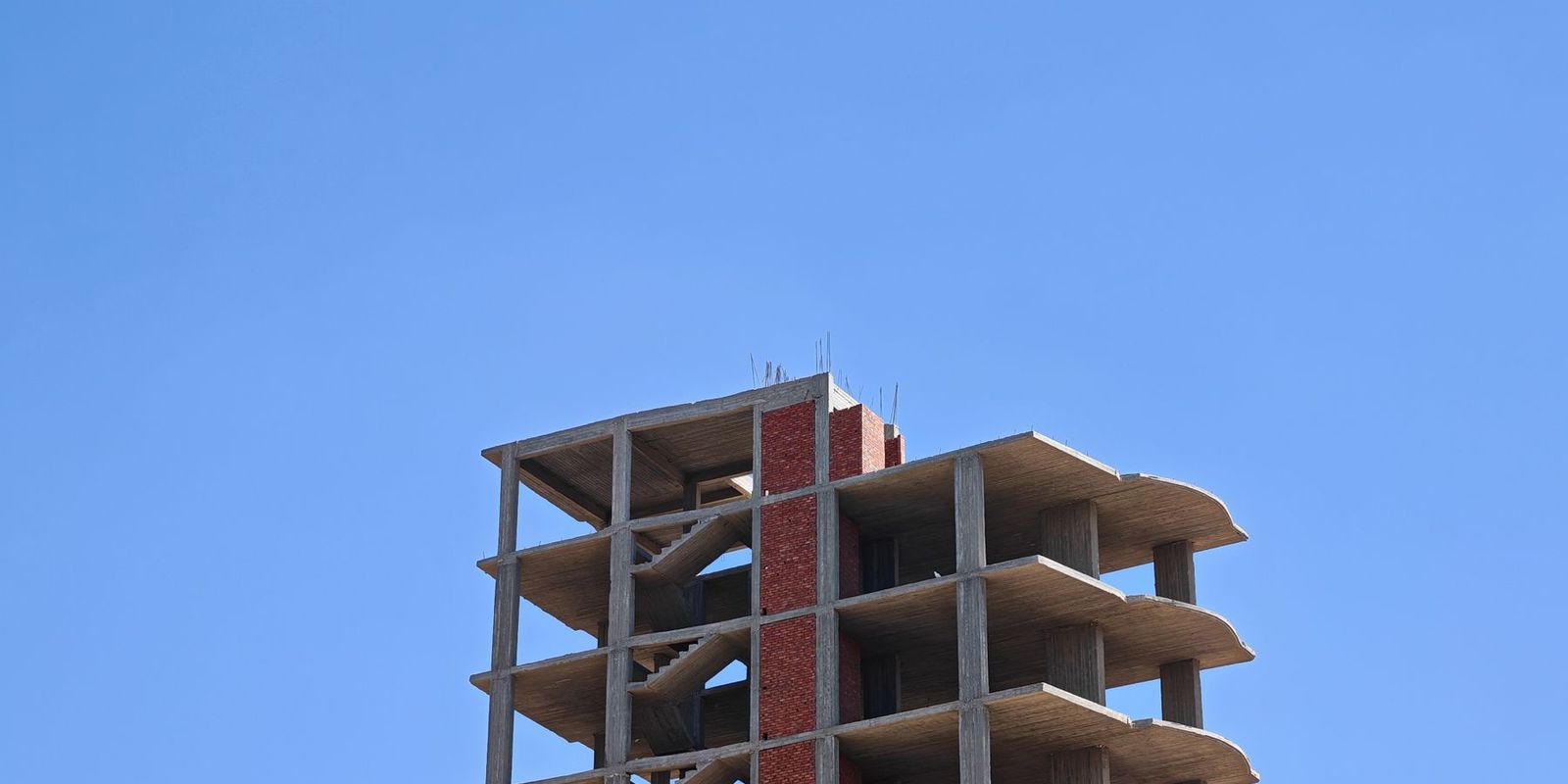
- Stuck: No meaningful work for months, labour gone, approvals or funding in trouble. Here a refund, or joining other buyers to push for a takeover, may be the safer path.
- Builder in insolvency: If the company is already before the National Company Law Tribunal, your claim goes through the insolvency process and the rules change. Get a lawyer early.
Check the project page on your state RERA portal. In Karnataka, rera.karnataka.gov.in shows the registered completion date, any extensions granted, and the quarterly progress the builder has reported. Projects that are past their date without an extension are listed as lapsed.
Your rights under the RERA Act
Section 18 of the Real Estate (Regulation and Development) Act, 2016 is the one to know. If the builder fails to hand over possession by the date in your agreement, you can choose:
- Stay in the project and get interest from the builder for every month of delay until you get possession, or
- Exit the project and get a full refund of what you paid, with interest, plus compensation where applicable.
The interest rate is set by each state's RERA rules. In Karnataka, K-RERA orders have commonly awarded interest at SBI's MCLR plus 2% on the amounts you paid, running from the promised possession date. Interest is generally paid up to the date of the occupancy certificate and handover, so keep records of exactly when you were offered possession.
A quick example
Say you have paid ₹60 lakh for a Bengaluru flat and possession is two years late. If the interest rate under the rules works out to around 10% a year, the delay interest would be roughly ₹6 lakh a year, about ₹12 lakh for the two years. The actual rate depends on SBI's MCLR at the time and the order passed, but the scale shows why this is worth pursuing.
How to file a RERA complaint, step by step
- Gather your papers: agreement for sale, allotment letter, every payment receipt, bank statements showing payments, the builder's demand letters, and all emails or letters about the delay.
- Write to the builder first. A clear letter or email stating the agreed date, the delay, and what you want (possession with interest, or refund) creates a record and sometimes gets a response.
- File the complaint online on your state RERA portal. In Karnataka this is done on rera.karnataka.gov.in. Check the current complaint fee on the portal before paying, as it can change.
- Attend hearings or send your lawyer. Many K-RERA hearings now happen online.
- Get the order, then follow the next steps on recovery below. This is where many buyers lose momentum.
Buyers in the same project often file together or coordinate through an association. It shares legal costs and makes it harder for the builder to delay case by case.
Winning the order is only half the job
This is the part that frustrates people most. If the builder does not pay after a RERA order, the authority can issue a recovery certificate. Under Section 40(1) of the RERA Act, the amount is then recovered as arrears of land revenue, through the district administration. The Supreme Court confirmed in 2021 that both the refund and interest can be recovered this way.
In practice, recovery is slow. According to the Forum for People's Collective Efforts, quoted in the Deccan Herald report, K-RERA has issued recovery certificates worth ₹1,253 crore, but only about ₹129 crore has actually been recovered. So after you get your certificate:
- Follow up regularly with the Deputy Commissioner's or Tahsildar's office handling recovery.
- Share details of any land, unsold flats or bank accounts of the builder that you know about. Attachment moves faster when officials know what to attach.
- Coordinate with other buyers who also hold certificates against the same builder.
Other routes worth knowing
- Consumer commission: The Supreme Court has held that buyers can approach consumer commissions as well as RERA. Some buyers prefer this for compensation claims. Your lawyer can advise which forum suits your case.
- Insolvency (IBC): Homebuyers count as financial creditors. A group of at least 100 allottees, or 10% of the allottees in the project, can ask the NCLT to start insolvency against the builder. This can lead to a new developer finishing the project, but it is slow and you may not get full value.
- Buyer takeover: In some cases RERA authorities have allowed buyer associations to take over and finish a stalled project. In November 2025, K-RERA let the buyers' association of a Belagavi project, about 40% complete, take over and finish it within 24 months. It takes organisation and money, but it can work when the builder has disappeared.
Your home loan EMIs during the delay
This is often the biggest monthly pain. A delay does not pause your loan. If the bank has disbursed money, you owe interest on it, whether or not the building is finished.
- Talk to your bank early and in writing. Tell them the project is delayed and ask them not to release further construction-linked payments unless the stage has genuinely been reached.
- Subvention or "no EMI till possession" schemes: If the builder agreed to pay your pre-EMI and has stopped, the bank will still come to you. Your agreement with the bank, not the builder's promise, decides who is liable. Pay to protect your credit score, and add the amount to your claim against the builder.
- Rates have risen. After the RBI's repo hike to 5.50% in October 2026, banks such as SBI raised home loan rates by 0.25%. Your pre-EMI interest on a floating-rate loan goes up too (as of November 2026).
- Tax: Under the familiar old Section 24(b) rules, interest paid before construction is complete could be claimed in five instalments only after possession, and the deduction cap dropped sharply if construction was not completed within five years. With the Income Tax Act, 2025 in force from 1 April 2026, ask your CA how this applies to your case.
Frequently asked questions
Can I get both delay interest and a refund?
Usually you choose one. If you stay, you get interest for the delay until possession. If you exit, you get your money back with interest. Compensation for other losses is decided separately by the adjudicating officer.
Is there a deadline for filing a RERA complaint?
RERA does not set a strict time limit the way some laws do, but filing sooner keeps your evidence fresh and your claim stronger. Don't wait for the builder's next promise to lapse.
Should I stop paying the builder?
Not without advice. Stopping payments that are due under your agreement can weaken your case. Pay only demands that match genuine construction progress, and raise disputes in writing.
Do I need a lawyer for a RERA complaint?
You can file yourself, and many buyers do. For large amounts, insolvency cases or recovery, a lawyer who handles RERA matters regularly is worth the fee.
This is general information, not legal advice; for your specific case, speak to a lawyer. If you are buying your next home and want to avoid this altogether, Skyros Estates can help you check a project's RERA history, its builder's track record and the documents before you pay a rupee.
Buying a home?
Get a shortlist that fits your budget, site visits arranged, and the papers checked before you pay. Free for buyers.